
Correctly evaluating surface changes – today: color changes on the surface
Aaron Papadopoulos
Apr 2
2 min read
IIn everyday clinical practice, we repeatedly encounter discoloration and surface changes in surgical instruments – especially those made of hardenable, stainless steels (or NC steels) and titanium materials. But what is behind it, how can such changes be avoided and what risks arise from them?
colored changes
NC steels can form a shiny, gray-black chromium oxide passive layer. This often becomes apparent first with cutting instruments such as scissors, but later also with non-cutting instruments such as clamps or Forceps/tweezers. Titanium materials, on the other hand, react with a color-varying or blotchy Surface – from gray to blue and violet to red, golden yellow and green.
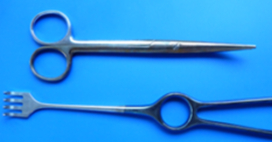
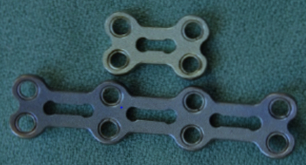
Type of surface changes origin and causes
The cause of the passive layer formation in NC steels is principally due to the reaction with oxygen, but a change that is often quickly visible in the machine cleaning process: neutralizing agents from the last rinse cycle or other factors that have not yet been identified can promote the formation. Depending on its composition, density and thickness, the passive layer is transparent to black. In titanium materials, moist heat and/or used cleaning chemicals can lead to oxidation and thus to further discoloration. Aluminium is almost exclusively anodized to avoid an uncontrolled change in stained, black surfaces caused by the apprenticeship of the passive layer.
Recommendations for removal
Removal of the changes by the user is not recommended, as the layer must be processed mechanically or chemically – preferably by the instrument manufacturer or a qualified repair service. Basic cleaners (acidic) have no effect on NC steels because of the increased corrosion resistance to removing this change.
Preventive measures
Prevention is possible: In the case of NC steel, the neutralizing agent should be dosed precisely and its carry-over prevented by adequate rinsing. Discoloration is almost unavoidable with titanium materials, as the environmental conditions (temperature, process chemicals, humidity) always trigger surface reactions during processing.
Assessment of possible risks
Basically, these are cosmetic effects – no corrosion. In the case of titanium, however, the color change can affect marking functions (e.g. color coding of the blade width for valves or screw length/diameter for implants).
From the point of view of biocompatibility, hygiene, function, the color changes are harmless, but can complicate visual inspection, for example in the detection of residual contamination. From the point of view of service life and corrosion resistance, this is even beneficial.
Conclusion: Although these discolorations are usually harmless, they require attention in terms of function and control. For removal and prevention, contact with experts is recommended - and in everyday life, the following applies: Correct reprocessing is the key to quality!
Discover more? Then read today in chapter 12 of the current red brochure:
About the author



Comments